

Within today's fast-changing digital landscape, the need for robust cybersecurity measures has never been more critical. With cyber threats becoming more and more sophisticated, companies must adopt comprehensive strategies to safeguard the assets and data. This is where cybersecurity frameworks come into play. Such frameworks provide structured guides that help businesses assess their security posture, implement effective controls, and respond to incidents with confidence.
Among the most recognized frameworks are the NIST Cybersecurity Framework, which emphasizes risk management, and the Zero Trust Architecture, which focuses on a strict verification process for users accessing systems. Additionally, compliance with ISO/IEC 27001 sets a global standard for information security management, while the CIS Security Controls offer a prioritized approach to mitigating risks. With ransomware attacks continue to surge, developing a strong ransomware defense strategy is also essential. In this article, we will explore these popular cybersecurity frameworks and their significance in establishing a secure organizational environment.
Understanding the NIST Cybersecurity Framework
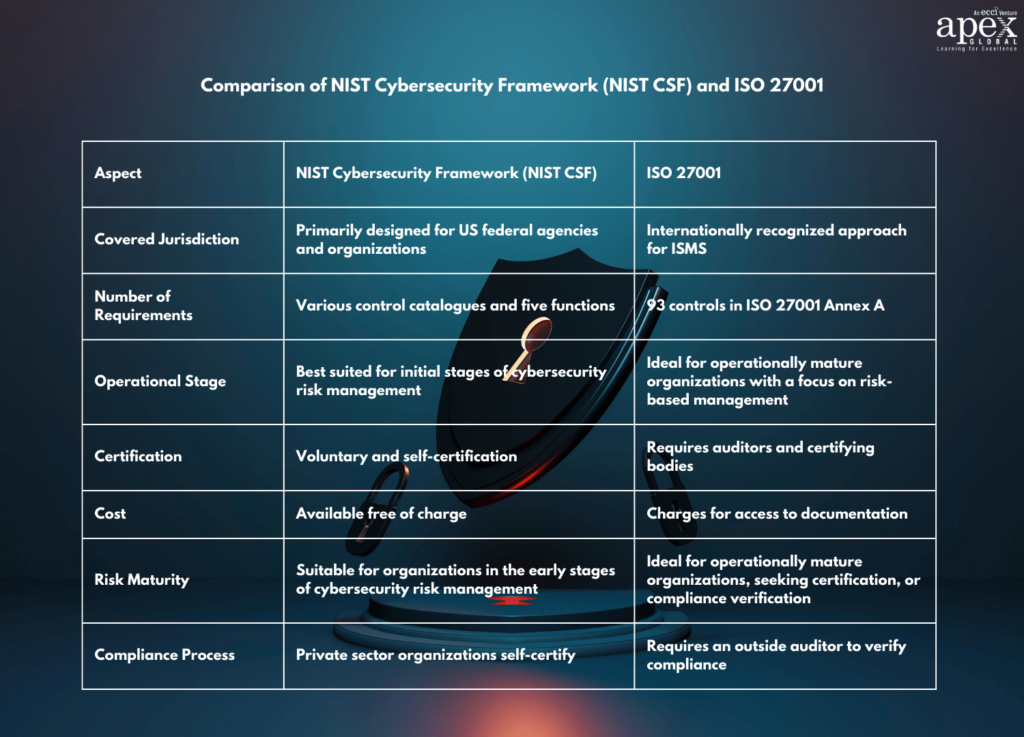
Formulated by the National Institute of Standards and Technology, the NIST Cybersecurity Framework offers a structured approach for organizations to handle and reduce cybersecurity vulnerabilities. It is designed to be versatile and suitable for, whether startups and large organizations in a diverse fields. The framework includes five core functions: Determine, Protect, Identify, React, and Restore. This holistic approach assists organizations to comprehend their existing cybersecurity posture and identify areas for improvement.
The main functions are further categorized into sections and subcategories, which detail best practices and practical steps. For case, under the Recognize function, organizations evaluate their holdings, risk assessment, and operational context. The Shield function focuses on protecting essential operations and data, while the Detect function centers on recognizing threat events. The Address and Recover functions are created to guide organizations in effectively tackling and rebounding from incidents, guaranteeing minimal disruption to operations.
By utilizing the NIST Cybersecurity Framework, organizations are not just enabled to adhere with legal obligations but also foster a environment of constant progress. It promotes teamwork between different departments and implores businesses to focus on security in their long-term planning. The framework is broadly accepted and serves as a cornerstone for various other cybersecurity efforts, making it an crucial component of any effective cybersecurity framework.
Implementing Zero Trust Architecture
Zero Trust Framework emphasizes the principle of "never trust, always verify." This approach necessitates that all users, device type, and application be authenticated, permissions granted, and continuously validated, irrespective of their location in the network. Establishing this model starts with a comprehensive assessment of your current security posture and determining areas that need upgrading. Organizations must map out their resources, identify where confidential information resides, and comprehend user access patterns to create a firm foundation for Zero Trust principles.
The next step entails implementing a diverse set of security technologies and procedures that enforce the Zero Trust model. This includes IAM solutions that provide secure authentication methods, such as multi-factor authentication. Additionally, micro-segmentation can be applied to limit access to critical resources, making sure that users only have access to the data required for their roles. Real-time monitoring is also vital, as it allows organizations to detect anomalies and respond quickly to emerging threats, thus strengthening the Zero Trust strategy.
Finally, fostering a culture of security awareness is critical for the effective execution of Zero Trust Framework. Staff should be educated about the importance of cybersecurity and the principles of Zero Trust. By promoting security awareness, organizations can diminish the chance of human error, which often serves as a pathway for attackers. Regular training sessions, phishing exercises, and open dialogue about guidelines can help instill these policies into the workplace culture, thereby reinforcing the overall security posture.
Achieving ISO/IEC 27001 Compliance
Achieving ISO/IEC 27001 compliance involves a systematic approach to overseeing delicate company information. Organizations must primarily comprehend the requirements of the standard, which focuses on a risk-based framework for establishing, executing, upholding, and continually improving an information security management system. This entails carefully recognizing and analyzing risks to information assets and implementing appropriate controls to mitigate recognized vulnerabilities.
A significant step in the compliance process is conducting a comprehensive risk assessment. This assists organizations pinpoint the areas where they are most critically vulnerable and determine the appropriate security measures that need to be implemented. It's essential for companies to involve stakeholders across various departments to build a complete understanding of their information security needs and to make certain all operational processes are aligned with the objectives of the ISMS.
Once the risk assessment is concluded, organizations must catalog their policies, procedures, and controls as part of the ISMS. Routine internal audits and management reviews are also essential to make sure that the ISMS remains effective over time and evolves with the shifting threat landscape. Obtaining ISO/IEC 27001 compliance not only enhances an organization’s security posture but also demonstrates to clients and partners a commitment to safeguarding important information.